
New Build and Extension
Professional & Affordable Town Planners
- Professional Town Planning
- Development Application Experts
- Council Liaison & Negotiation
- Free Initial Consultation
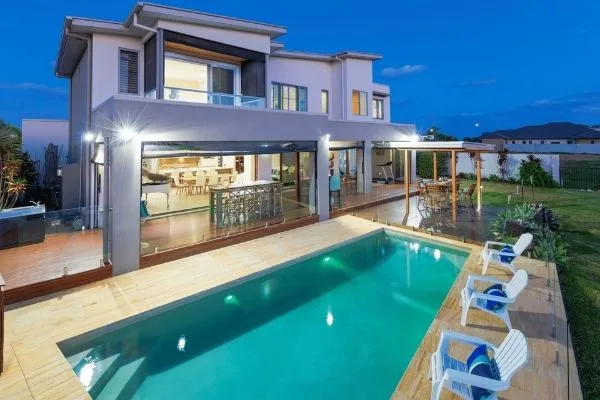
Building a new house or adding on extensions to your Brisbane house can be a cost-effective way of gaining the space you need for you and your family.
Whether its post war house extensions or brick house extensions, the good news is that applications for extended dwellings are usually less complex in their assessment when compared to subdivisions, townhouses or units. For new builds it is arguable that the original subdivision that created the block of land would have been required to provide servicing, access etc. In this case, applications and planning approval for extensions and new dwellings are rarely required to demonstrate if it is appropriate for a house can be established or extended, but rather usually just address how the future dwelling will sit on the block of land.
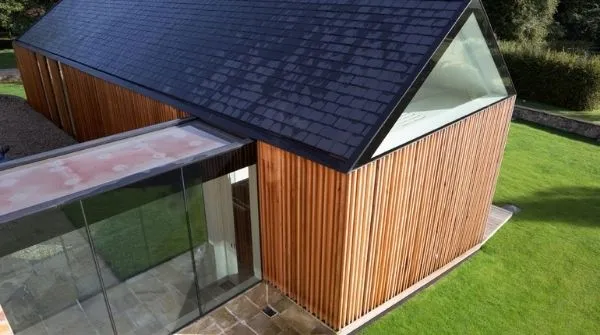
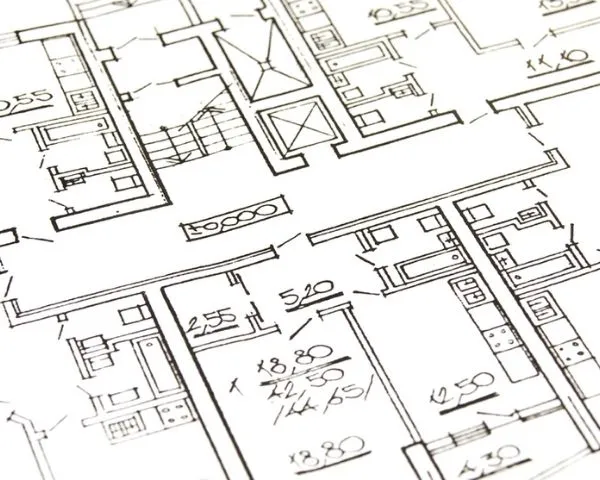
This means that the Council assessment (if required) will review key design elements such as height, setbacks, site cover and design. Under the planning scheme this is dictated by the use code (Dwelling House Code or Dwelling House Small Lot Code), overlays and the relevant Neighbourhood Plan.
This why the preliminary stage or the 'first steps' of the project are the most important, so that you identify and issues early on and can make sure that you have valid and compelling performance arguments for any non complying elements of your proposal.
Town Planner Brisbane can manage the four key stages for a new build or home extension approval, which include:
- Preliminary Site Review and Due Diligence;
- Preliminary House Design or Conceptual Sketch;
- Prelodgement Meeting;
- Development Application, Lodgement and Approval.
Stage 1: Preliminary Site Review
Once you contact Town Planners Brisbane we will undertake a site review to help you understand the key design characteristics of your site, including:
What are the key design elements of my lot?
We will assist you in understanding setbacks, height, site cover, building length, built to boundary walls etc. that are applicable to your lot type.
What Neighbourhood Plan am I in?
Certain areas of Brisbane have key built form design elements to achieve things like, protecting views, maintaining a traditional streetscape etc.

What overlays affect my property?
Our preliminary site review will give you clarity around the overlays on your site and whether they will impact on your project, such as:
- Flooding: Brisbane City Council has three types of flooding, each with their own characteristics and limitations. For example, overland flow develops quickly and is fast moving. Often this type of flooding will require a raised pole and post design to limit any hydrological impacts to natural stormwater flows. In contrast, Brisbane river flooding is a slow flooding with plenty of warning and typically this overlay will just set your minimum habitable floor levels for your dwelling;
- Traditional Building Character Overlay: The Traditional Building Character Overlay will require you to adopt architectural themes that replicate key design elements of pre-1946 dwellings. These include recessed garages, pitched roofs, forward facing balconies, light weight materials etc. We will guide you through these design considerations.
The above is just a handful of items we will review, providing you with a clear overview of your site and any considerations for delivering your project.
Stage 2: Preliminary Design or Conceptual Sketch
Town Planner Brisbane will then work with you, or your building designer or architect, to assist in preparing a preliminary house plan and built form sketch. We will help you understand what kind of dwelling or extension you can undertake to make sure that the final product meets your needs.
It is important to understand that sometimes minor changes to the plans will remove your requirement to lodge an application. We will help you understand these minor changes available to you and if an application is actually required.
Stage 3: Prelodgement Meeting
Once we complete a preliminary review, we will assist in preparing a strategy for your project to address and overcome any issues identified. This may include a Prelodgement Meeting with Council to address and receive feedback on any of the issues identified.
Stage 4: Preparation of a Development Application, Lodgement and Approval
Once we complete the preliminary stages and prelodgement, we will assist in preparing a strategy for your project to address and overcome any issues identified. Following this, we will see your project through to completion by providing:
- Co-ordinating plans and design with your designer or architect;
- Co-ordinating third party consultant advice and reports to support your development;
- Preparation and lodgement of development applications;
- Information responses and post-approval works;
- Information response and further issues advice;
- Draft conditions review and negotiations where required;
- Negotiated decisions and post approval advice.
Our services do not end once the approval is received. Please refer to our development management page for our post approval service offering and project delivery.
Frequently Asked Questions
Do you need council approval for renovations in QLD?
In Queensland, whether you need council approval for renovations depends on the scope of the work and your property's zoning and overlays. Minor internal renovations typically don't require approval, but extensions, raised structures, and work in overlay areas often do. Town Planner Brisbane can assess your specific situation during a free preliminary consultation.
How much does it cost to extend a house in Brisbane?
The cost of a house extension in Brisbane depends on the size, design complexity, site constraints, and whether council approval is required. Planning and approval costs are separate from construction costs. Contact Town Planner Brisbane on (07) 3555 8950 for a free preliminary review and guidance on expected costs.
What can I build without council approval in QLD?
In Queensland, certain minor works such as small sheds, carports under specific sizes, and internal renovations may not require council approval. However, this depends on your property's zoning, overlays, and the Brisbane City Plan. Our team can quickly determine whether your proposed works need an application.
How much does building approval cost in Brisbane?
Building approval costs in Brisbane vary depending on the type of development. Council application fees, consultant reports, and professional fees all factor in. For a new build or extension, the total planning costs are typically a small fraction of the overall build cost. We offer free initial consultations to outline expected costs.
Do I need a town planner for a house extension in Brisbane?
If your extension triggers a development application requirement - such as exceeding height limits, setbacks, or site cover - you will benefit from engaging a town planner. Even if an application isn't required, a town planner can help ensure your design complies with all relevant codes and avoid costly issues during construction.
Our Services
Contact us today for a free quote.